Battery System Energiecampus Leeuwarden: From Solar Park to Flexible Energy Hub
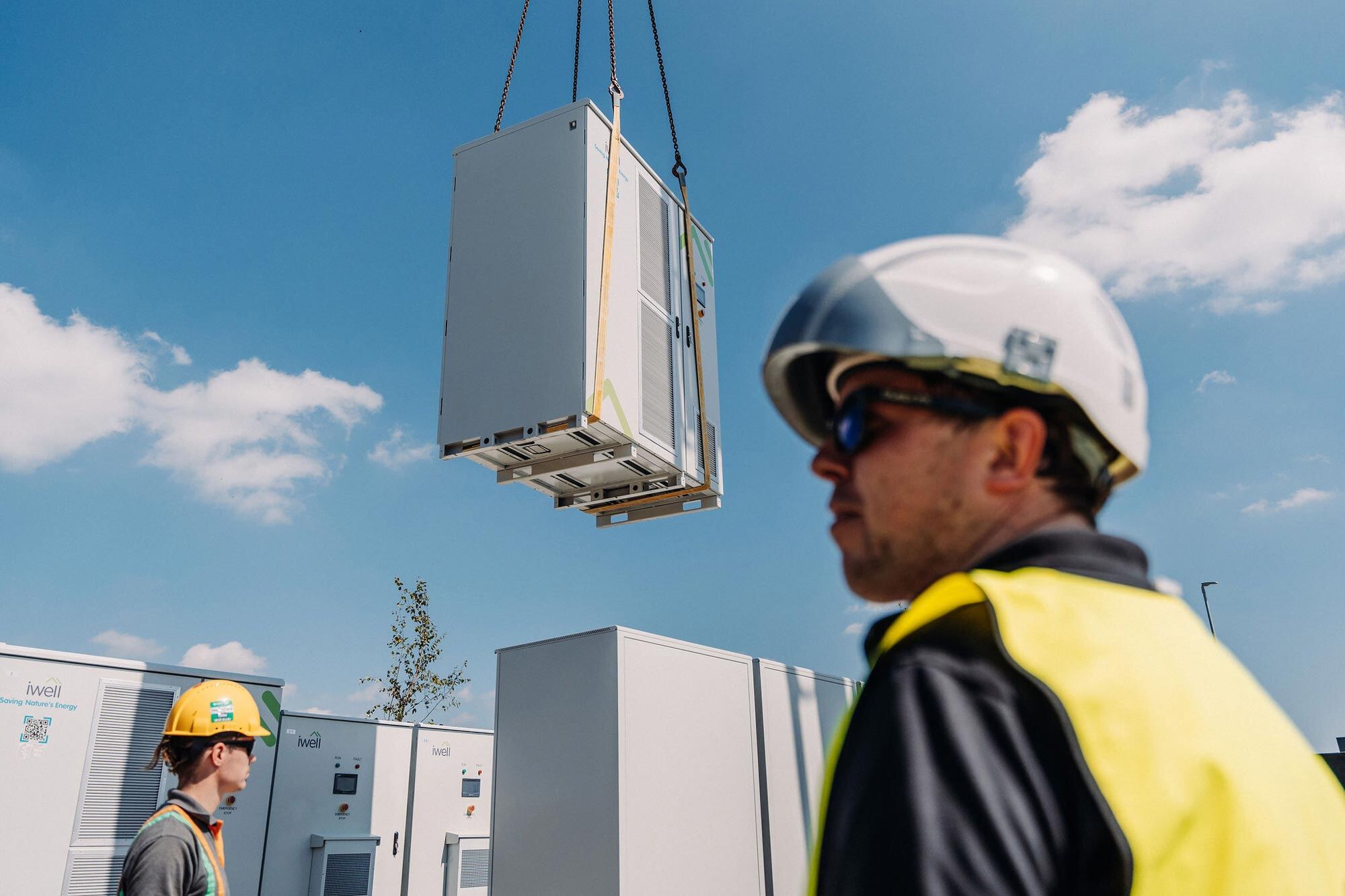
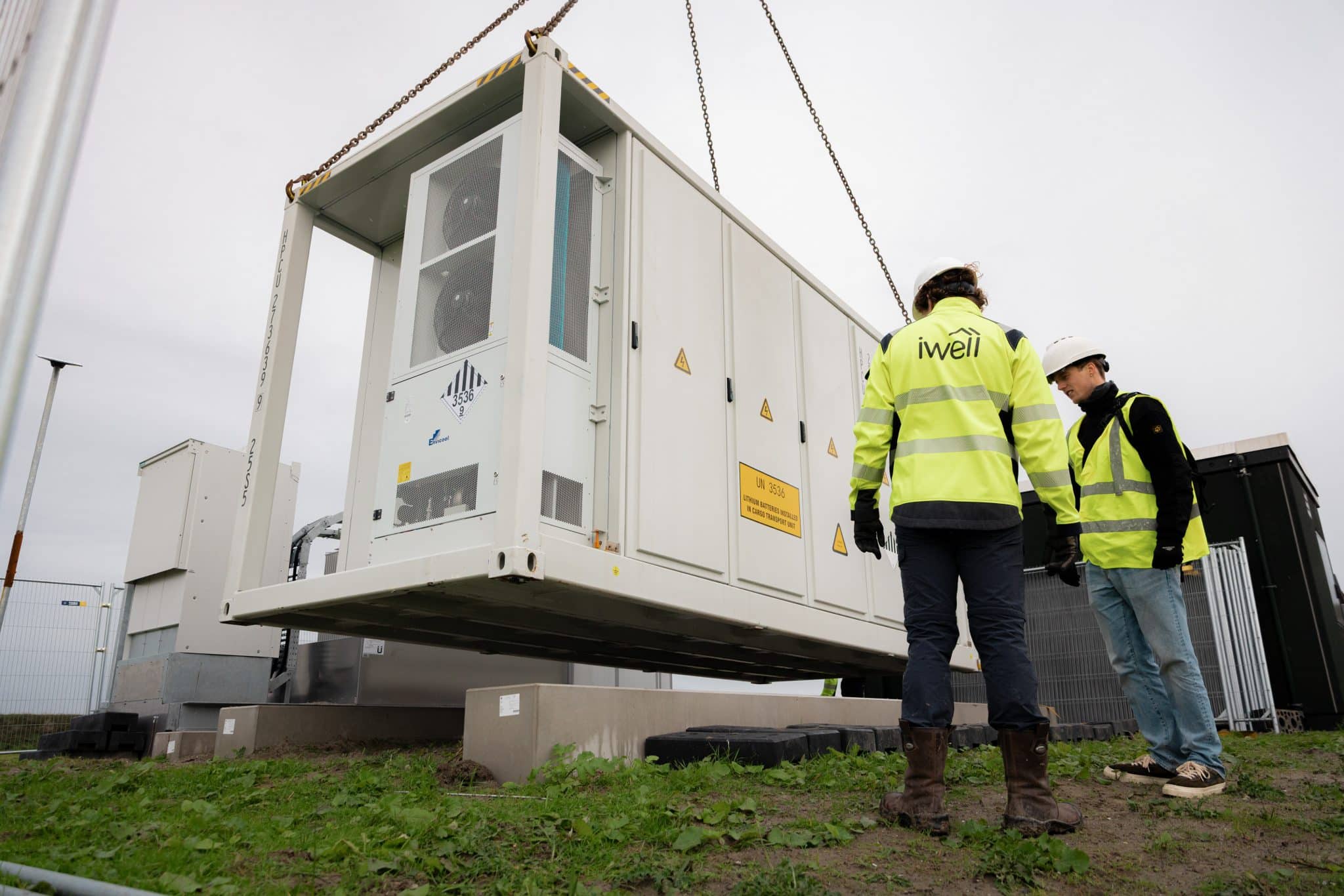
For Energiecampus Leeuwarden, iwell partnered with AQ Storage to install a 2 MW / 4 MWh battery system directly coupled to the adjacent Schenkenschans solar park. The battery stores locally generated energy and releases it as demand increases. At the same time, the system can be deployed to support the electricity grid - giving the same grid connection a far more flexible role in the energy system.
About Energiecampus Leeuwarden
The heart of Energiecampus Leeuwarden sits on the former Schenkenschans landfill site. Where construction and demolition waste was once dumped, the site is now home to, among other things, the circularly built Energie Kenniscentrum (Energy Knowledge Centre) and a solar park. The location has literally transformed from a dump site into an innovative environment where sustainable energy solutions are put into practice. The project shows how collaboration between a developer, a technology partner and a solar park leads to concrete solutions for the region's energy transition.

The challenge
For much of the day, a solar park barely earns anything on its own electricity. Around midday, when the sun is at its strongest, supply is so high that prices collapse - sometimes to almost nothing. Exactly when the park produces the most, that output is worth the least.
That puts pressure on the business case for solar parks. A battery system can offset this, but only if the control logic is right.
This project faced a few concrete challenges:
-
Midday solar output was being lost at exactly the moment it earned the least, while demand actually peaks in the evening.
-
Relieving the regional grid operated by network operator Liander.
-
The battery system needed to do more than shift solar power in time: it also had to actively respond to what was happening on the electricity grid, making it part of a far more dynamic landscape of energy trading, congestion management and grid stabilization.
"This project shows that solar energy really becomes valuable once you also have control over the moment you deploy it,"
David van Arend
Business developer bij AQ Storage.
The solution
The 2 MW / 4 MWh battery is coupled to the solar park and connected to the intake substation of the Bio-LNG installation on the Energiecampus. The system wasn't designed for a single task: the same battery stores solar power, responds to market prices, and makes flexibility available to the grid.
- Solar power shifts to the right moment. At midday, when the sun is at its peak and electricity is worth little, the energy is stored instead of flowing back to the grid. It becomes available again during the evening peak - flattening grid peaks and extracting more value from the same sunshine.
- The application goes beyond shifting solar power. Grid-balancing functionality (FCR) has also been built into the EMS and taken into operation: the battery automatically and instantly responds to fluctuations in grid frequency, helping keep the electricity grid stable.
- The system contributes to a more stable, future-proof energy system.
Software that grows with the next application
The solar park still produces the same amount of solar power. But thanks to 4 MWh of storage and EMS control, that energy no longer automatically has to go onto the grid the moment it's generated. The system creates room to wait, shift, and respond to the sun, to the market, and to whatever the electricity grid needs at that moment.
What this project shows is that the value lies in the control software. The battery will be in place for years, while energy markets, grid constraints and business models keep changing. The system's value isn't determined only by the number of MW or MWh installed on day one, but also by the ability to deploy the battery for different applications throughout its lifetime.













Cases
AQ - Energiecampus Leeuwarden
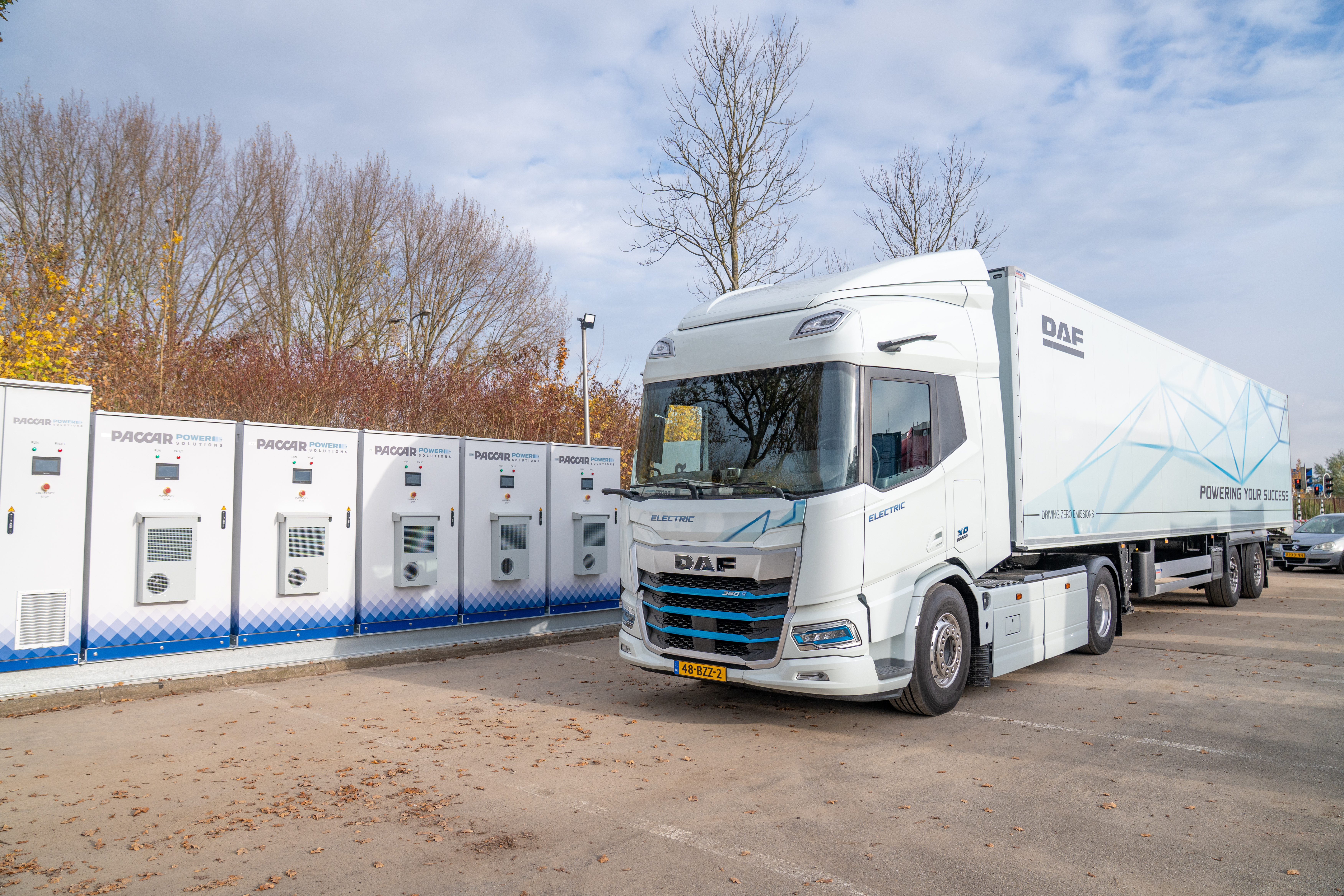
BEST trucks - DAF